 Client Services: (+971) 50 379 1015


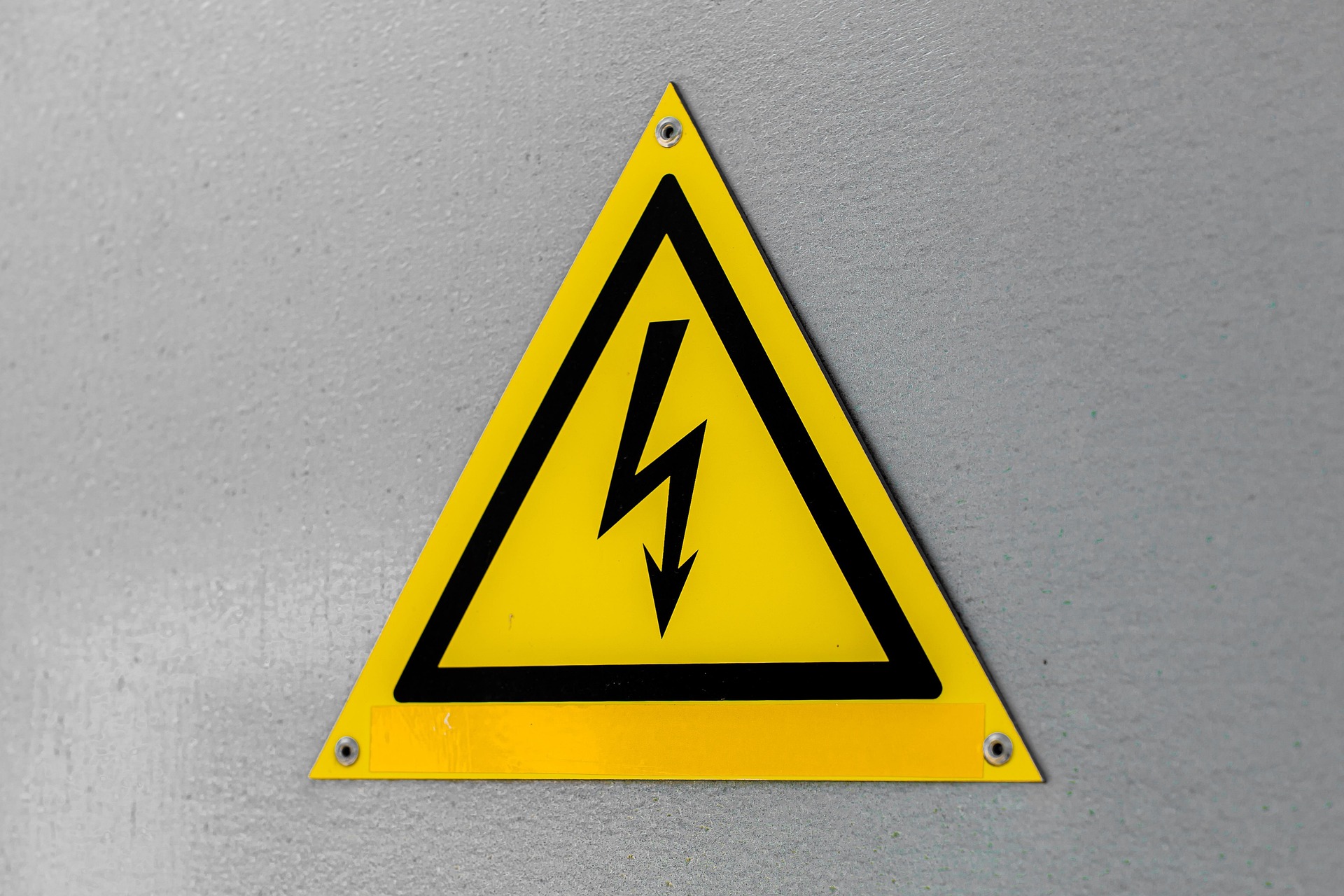

Your home’s electrical system works quietly behind the walls, ceilings, and floors, supplying power to lights, appliances, outlets, and other essential equipment. Because most electrical wiring is hidden, it is easy to forget about it until something goes wrong. However, old or damaged wiring can create serious safety risks, including electrical shocks, short circuits, overheating, and fires.
Knowing the warning signs that your home needs electrical rewiring can help you identify problems before they become major hazards. Electrical rewiring is not always necessary simply because a property is old, but aging wiring, repeated electrical faults, and changes in household power demand can all indicate that your electrical system needs professional attention.
In this guide, we will explain the most common signs of outdated or unsafe wiring and when you should consider having your home’s electrical system inspected.
What Is Electrical Rewiring?
Electrical rewiring involves replacing old, damaged, or unsafe electrical cables and related components with modern wiring and equipment. Depending on the condition of the property, rewiring may involve replacing wires, sockets, switches, circuit protection devices, and other parts of the electrical system.
A professional electrician normally begins with an electrical inspection to determine the condition of the existing installation. Full rewiring may be recommended when the wiring is significantly outdated, damaged, overloaded, or unable to safely support the property’s electrical requirements.
1. Your Home Has Very Old Wiring
One of the clearest warning signs is the age of your home’s electrical system.
Older properties may still have wiring that was installed decades ago. Electrical standards, safety requirements, and household energy use have changed considerably over time. A system designed for a smaller number of appliances may struggle to handle modern equipment such as air conditioners, washing machines, ovens, water heaters, computers, and other high-power devices.
Age alone does not automatically mean that rewiring is required. However, if you live in an older property and do not know when the electrical wiring was last inspected or replaced, it is worth arranging a professional electrical inspection.
2. Lights Flicker or Frequently Dim
Flickering lights may seem like a minor inconvenience, but they can sometimes indicate an electrical problem.
Lights that flicker when appliances are switched on may be affected by an overloaded circuit, loose connection, voltage problems, or deteriorating wiring. If the issue occurs repeatedly throughout the home, it should not be ignored.
A qualified electrician can inspect the circuit and determine whether the problem is caused by a particular appliance, a connection issue, or the home’s wider electrical system.
3. Circuit Breakers Trip Frequently
Circuit breakers are designed to protect electrical circuits by cutting off power when they detect conditions such as excessive current or a fault.
Occasional trips can happen when too many high-power appliances are operating on the same circuit. However, frequent or unexplained trips may indicate an overloaded circuit, faulty appliance, short circuit, or wiring problem.
If your circuit breaker keeps tripping even after appliances have been disconnected, professional testing is important. Repeatedly resetting the breaker without finding the cause can leave an underlying electrical fault unresolved.
4. You Notice Burning Smells
A burning or unusual electrical smell is a warning sign that should never be ignored.
Overheated wires, damaged insulation, loose electrical connections, or overloaded circuits can generate heat and produce a burning smell. You may notice the smell near an outlet, switch, electrical panel, appliance, or inside a wall.
If you smell burning around an electrical component, switch off the affected circuit if it is safe to do so and contact a qualified electrician. Do not continue using an outlet or electrical device that appears to be overheating.
5. Electrical Outlets Feel Hot
Electrical outlets and switches should not normally become hot during ordinary use.
Warm or hot outlets can indicate an overloaded circuit, loose connection, damaged wiring, or a problem with the outlet itself. Discoloration, melting, or burn marks around the outlet are even more serious warning signs.
Avoid using a damaged or overheating outlet and have it inspected by a professional electrician. Replacing only the outlet may not solve the problem if the wiring behind it is also damaged.
6. You See Discolored or Burned Sockets
Look at the visible electrical outlets and switches in your home. Dark marks, yellowing, browning, melted plastic, or burn marks can indicate overheating.
This may happen because of loose connections, excessive electrical load, faulty equipment, or damaged wiring. A discolored socket should not be treated as a simple cosmetic issue.
If several outlets throughout the property show similar signs, it may indicate a broader electrical problem that requires a detailed inspection.
7. You Hear Buzzing or Crackling Sounds
Electricity should normally operate quietly. Buzzing, crackling, popping, or sizzling sounds coming from outlets, switches, lights, or the electrical panel can indicate an electrical fault.
These sounds may be associated with loose connections, damaged components, arcing, or overloaded circuits. Electrical arcing can produce significant heat and presents a potential fire risk.
If you hear unusual sounds from an electrical component, stop using it and arrange a professional inspection rather than attempting to investigate inside the electrical system yourself.
8. You Experience Mild Electrical Shocks
A small shock or tingling sensation when touching an appliance, switch, or other electrical component should not be considered normal.
It can indicate a grounding problem, damaged wiring, faulty equipment, or another electrical fault. Even a mild shock can be a warning that the electrical system requires attention.
If someone receives a significant electrical shock, seek appropriate medical assistance and have the electrical installation professionally inspected before continuing to use the affected equipment.
9. You Rely Heavily on Extension Cords and Power Strips
Extension cords and power strips can be useful for temporary needs, but depending on them throughout the home may indicate that the existing electrical system does not provide enough conveniently located outlets.
Modern households often use many electrical devices at the same time. Permanently running extension cords, connecting multiple power strips, or using adapters to increase the number of connections can increase the risk of overloading.
If your home lacks enough suitable outlets, an electrician can assess whether additional circuits or outlets are needed.
10. Your Electrical Panel Is Outdated
The electrical panel is an important part of your home’s electrical system because it distributes electricity to different circuits and contains protective devices.
An old or poorly maintained panel may not provide the level of protection required for a modern home. Signs such as frequent breaker trips, visible damage, unusual noises, overheating, or a lack of adequate circuit capacity should be investigated.
An electrician can assess the panel, wiring, circuit protection, and overall electrical load to determine whether upgrades or rewiring are appropriate.
11. You Have Two-Prong Outlets or Outdated Electrical Components
Some older homes contain two-prong outlets or other electrical components that do not provide the same level of protection as modern grounded systems.
This does not necessarily mean that the entire property needs immediate rewiring. However, it can be an indication that the electrical installation is old and should be assessed.
Simply replacing old outlets without checking the wiring and grounding system may not address the underlying issue. A professional inspection can determine what improvements are actually required.
12. Your Home Has Undergone Major Renovations
Renovations can significantly change a property’s electrical requirements.
Adding rooms, installing new lighting, upgrading a kitchen, adding air conditioning, or installing high-power appliances can increase electrical demand. An older electrical system may not have been designed for these changes.
If your property has been renovated several times without a comprehensive electrical upgrade, it is sensible to have the wiring and circuits inspected. Rewiring or adding dedicated circuits may be necessary depending on the project’s electrical requirements.
13. You Frequently Have Electrical Problems
One isolated electrical issue does not necessarily mean that your entire home needs rewiring. However, repeated problems can indicate that the electrical installation needs closer attention.
If you regularly experience blown fuses, tripped breakers, flickering lights, damaged outlets, electrical shocks, or appliance-related power problems, do not simply repair each issue separately without investigating the underlying cause.
A complete electrical inspection can help identify whether these problems are connected to aging or inadequate wiring.
How Old Wiring Can Affect Modern Homes
Homes today generally use more electrical equipment than many properties did when their original wiring was installed. Air conditioners, refrigerators, washing machines, electric ovens, water heaters, entertainment systems, computers, chargers, and other devices can place considerable demand on an electrical system.
An older installation may not have enough circuits or suitable protection for these demands. Overloading circuits can increase heat and stress on electrical components.
This is why electrical rewiring should be considered as part of the overall condition and capacity of the electrical installation rather than simply the age of the property.
Does Every Old Home Need Rewiring?
No. An old home does not automatically require complete electrical rewiring.
The condition of the wiring, previous upgrades, electrical load, safety devices, grounding, visible damage, and compliance with applicable electrical requirements all need to be considered.
Some older properties may only require specific repairs or upgrades, while others may benefit from partial or complete rewiring. A qualified electrician can determine the appropriate solution after inspecting the installation.
What Happens During an Electrical Rewiring Inspection?
A professional electrician may inspect the electrical panel, wiring, outlets, switches, grounding, protective devices, and circuits. They may also test the installation to identify faults or areas that require improvement.
The electrician can then explain which components need repair, replacement, or upgrading. If complete rewiring is recommended, the work should be planned carefully to reduce disruption to the household.
Avoid attempting to replace electrical wiring yourself. Electrical work can involve serious shock, fire, and property-damage risks and should be carried out by appropriately qualified professionals.
When Should You Call an Electrician?
You should arrange an electrical inspection if you notice burning smells, hot outlets, repeated circuit breaker trips, buzzing or crackling sounds, unexplained electrical shocks, visible wire damage, or frequent electrical faults.
You should also consider an inspection if your property has very old wiring, has undergone major renovations, or has never had a professional electrical assessment.
If you notice smoke, sparks, flames, severe overheating, or a strong burning smell, treat the situation as an urgent safety issue. If it is safe to do so, switch off the relevant power supply and seek professional help.
Final Thoughts
Electrical wiring is one of the most important parts of a home’s safety and functionality. Because most wiring is hidden, problems can develop without obvious warning. Paying attention to flickering lights, hot outlets, burning smells, repeated breaker trips, buzzing sounds, electrical shocks, and other warning signs can help you identify potential issues early.
Electrical rewiring is not always the answer to every electrical problem. In some homes, targeted repairs or upgrades may be enough. However, when wiring is old, damaged, overloaded, or unable to safely support modern electrical demand, rewiring may be an important long-term improvement.
The safest approach is to have a qualified electrician inspect the system and identify the actual cause of the problem. Professional assessment can help protect your home, appliances, and family while ensuring that your electrical system is suitable for your property’s needs.