 Client Services: (+971) 50 379 1015


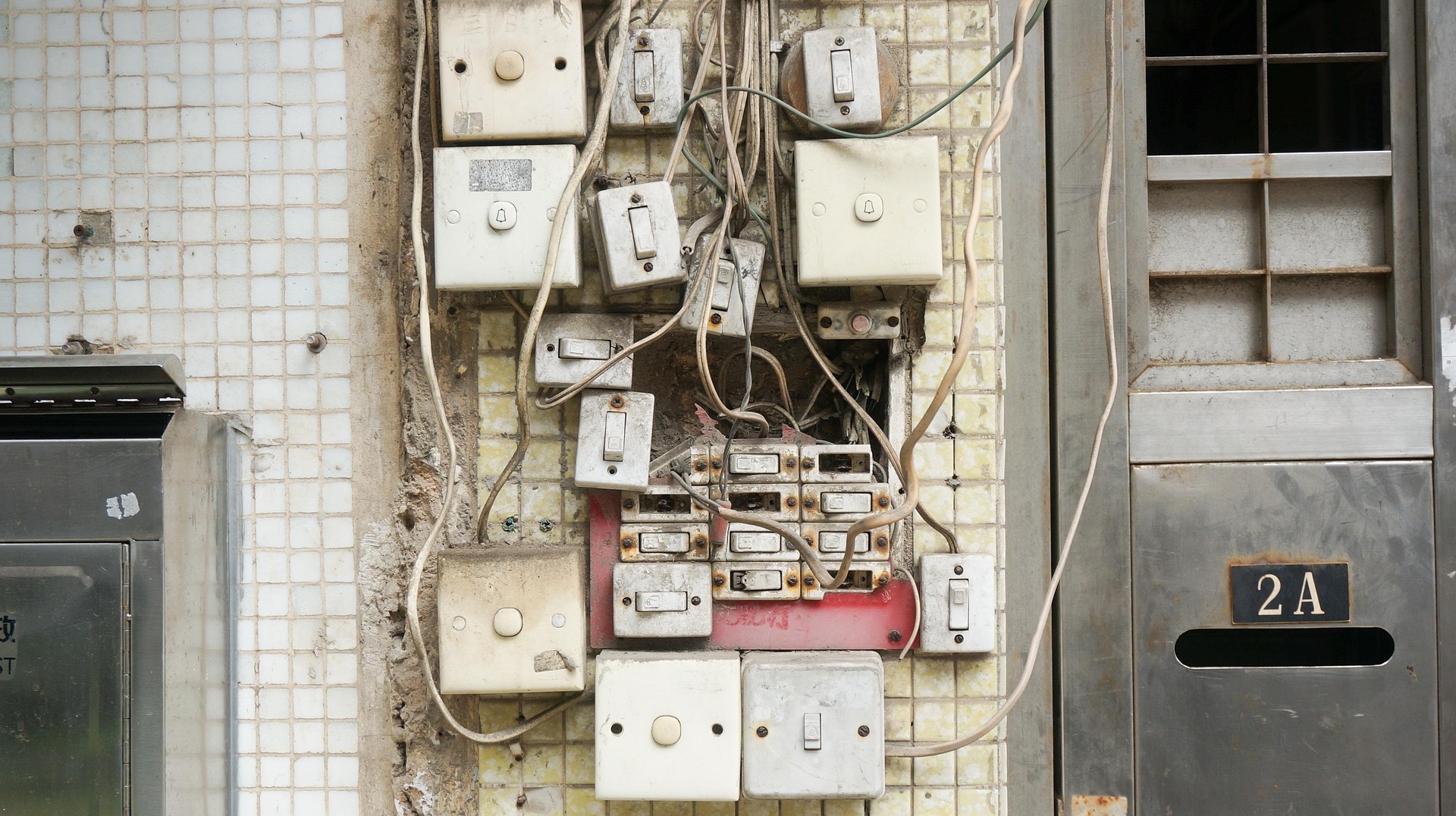

Electrical systems are an essential part of every modern property. From lighting and air conditioning to kitchen appliances, water heaters, and security systems, most things need safe power.
Office equipment also needs safe power. Over time, electrical systems can develop problems from regular use. Issues can also come from aging parts, moisture, heat, overloaded circuits, and poor connections.
Regular electrical maintenance helps identify these issues before they become expensive repairs or serious safety hazards. But how often should you schedule electrical maintenance for your property?
For most residential properties, a professional electrical inspection at least once a year is a good starting point. Commercial and high-use properties may need inspections every six months, or more often. The building, the equipment, and the amount of electricity used determine this.
What Is Electrical Maintenance?
Electrical maintenance is the process of inspecting, testing, repairing, and maintaining the electrical systems and components within a property. It can include checking electrical panels, wiring, sockets, switches, lighting systems, circuit breakers, safety devices, and other electrical equipment.
Professional electricians check for wear, loose connections, overheating, damaged wires, overloaded circuits, and other issues. These problems can affect electrical safety or performance.
Electrical maintenance is not only about fixing problems after they occur. Preventive maintenance focuses on identifying potential problems early and keeping the system working safely and efficiently.
How Often Should Electrical Maintenance Be Done?
No single schedule is suitable for every property. The right maintenance schedule depends on the system’s age and condition.
It also depends on the property type. It depends on how much electricity you use. The environment matters too.
Residential Properties
For a typical home, an electrical inspection should generally be scheduled once a year. Annual maintenance allows an electrician to identify developing problems before they become major issues.
Older homes may need more inspections because their wiring, panels, switches, and other parts have years of wear.
Homeowners should schedule an inspection when buying an older home. They should also schedule one after major renovations. They should schedule an inspection when adding new high-power appliances.
Commercial Properties
Commercial buildings usually have higher electrical demands than residential properties. Offices, shops, restaurants, warehouses, and other commercial facilities may operate electrical equipment for long hours every day.
Because of this higher usage, commercial electrical systems may benefit from inspections every six months. Some businesses with heavy electrical loads may require more frequent maintenance based on their equipment and operating conditions.
Regular inspections can help businesses reduce unexpected electrical failures and avoid interruptions to daily operations.
Industrial Properties
Industrial facilities often have complex electrical systems, machinery, control equipment, and high-power electrical loads. These systems can experience significant stress during continuous operation.
Electrical maintenance in industrial environments should follow a planned preventive maintenance schedule based on equipment requirements, operating hours, manufacturer recommendations, and applicable safety standards.
In some facilities, staff may need to inspect certain electrical components monthly, quarterly, or at other defined intervals.
Why Is Regular Electrical Maintenance Important?
Electrical problems do not always provide obvious warning signs. A loose connection, damaged wire, or overloaded circuit can continue to operate until it causes a larger problem.
Regular electrical maintenance provides several important benefits.
1. Improves Electrical Safety
Electrical faults can create risks such as electric shock, short circuits, overheating, and electrical fires. Regular inspections help identify unsafe conditions before they become serious.
An electrician can check for damaged cables, loose connections, faulty breakers, exposed wiring, and other potential hazards.
2. Reduces Unexpected Repairs
Small electrical problems can become expensive if they are ignored for a long time. For example, a loose electrical connection can generate heat and eventually damage nearby components.
Preventive maintenance addresses these issues while they remain relatively small.
3. Extends Equipment Life
Electrical equipment works better when it receives the correct power supply and is maintained properly. Faulty wiring, unstable connections, and overloaded circuits can place unnecessary stress on electrical equipment.
Regular maintenance can help protect electrical components and potentially extend their useful service life.
4. Improves Energy Efficiency
Electrical maintenance can also help identify conditions that may contribute to unnecessary energy consumption.
Faulty equipment, inefficient lighting, damaged components, or poor electrical connections can affect system performance. Addressing these issues may help a property operate more efficiently.
5. Provides Peace of Mind
Knowing that your property’s electrical system has been professionally inspected provides greater confidence for homeowners, landlords, property managers, and business owners.
Instead of waiting for an electrical failure, preventive maintenance creates a more organized approach to managing electrical safety.
Signs That Your Property Needs Electrical Maintenance
Even if your regular inspection is not due yet, certain warning signs should not be ignored.
If you notice any of the following problems, contact a qualified electrician for an inspection:
- Flickering or frequently dimming lights
- Frequently tripping circuit breakers
- Burning smells near electrical outlets or panels
- Warm or discolored switches and sockets
- Buzzing or unusual sounds from electrical equipment
- Sparks when plugging in appliances
- Damaged or exposed electrical wires
- Frequently blown fuses
- Power fluctuations
- Sockets or switches that feel unusually hot
- Electrical appliances shutting down unexpectedly
These signs can indicate problems within the electrical system. Continuing to use a faulty circuit without a professional inspection can increase the risk of damage to your equipment. It can also lead to other safety problems.
When Should You Schedule an Electrical Inspection?
In addition to routine maintenance, there are certain situations when an electrical inspection is particularly important.
Before Buying a Property
If you are buying an older house, apartment, office, or commercial building, get an electrical inspection.
It can show the condition of the electrical system.
It may identify outdated wiring, damaged components, overloaded circuits, or other issues that could require attention.
After Major Renovation
Renovations often involve changes to electrical wiring, lighting, sockets, appliances, and distribution boards. After major electrical work, hire a professional to check that the system is installed correctly and runs safely.
After Water Damage
Water and electricity can create a dangerous combination. Flooding, leaks, or significant water damage can affect electrical wiring, outlets, panels, and equipment.
A qualified electrician should inspect the affected electrical components before anyone puts them back into use.
When Adding High-Power Appliances
Installing large air conditioners, electric ovens, water heaters, or other high-power appliances can raise a property’s electrical load.
Before installation, assess the existing electrical system to determine whether it can safely handle the additional demand.
When the Property Gets Older
Electrical components naturally experience wear over time. Older properties may have outdated systems that are no longer suitable for modern electrical demands.
Periodic inspections become increasingly important as the electrical system ages.
Electrical Maintenance Checklist
A professional electrical maintenance visit may include several checks depending on the property and system.
An electrician may inspect:
Electrical panels: Checking breakers, connections, signs of overheating, and general panel condition.
Wiring: Looking for damaged, exposed, loose, or deteriorated cables.
Sockets and switches: Checking for physical damage, loose connections, overheating, or discoloration.
Lighting systems: Inspecting fixtures, connections, switches, and other lighting components.
Circuit breakers: Test protective devices and check whether the circuits have proper protection.
Grounding and safety systems: Verifying that appropriate electrical safety measures are in place.
High-load equipment: Checking electrical connections serving air conditioners, water heaters, kitchen equipment, machinery, and other high-power appliances.
The exact inspection process depends on the property’s electrical design and the type of equipment installed.
How Property Owners Can Reduce Electrical Problems
Professional maintenance is important, but property owners can also take simple steps to reduce electrical risks.
Avoid overloading sockets with multiple high-power appliances. Replace damaged plugs, cables, switches, and sockets instead of continuing to use them. Keep electrical equipment away from water and moisture. Do not attempt complex electrical repairs yourself.
It is also useful to keep records of electrical inspections, repairs, replacements, and upgrades. These records can help property owners and facility managers understand the maintenance history of the electrical system.
Choosing a Professional Electrical Maintenance Service
Electrical work should always be handled by trained and qualified professionals. A professional electrical maintenance service can assess the condition of your system and recommend an appropriate maintenance schedule.
When choosing an electrical contractor, consider their experience, qualifications, safety practices, range of services, and understanding of local electrical requirements.
For commercial properties, it is also useful to choose a service provider that can create a preventive maintenance plan based on the building’s electrical demand and equipment.
Final Thoughts
So, how often should you schedule electrical maintenance for your property?
For many residential properties, an annual electrical inspection is a practical starting point. Commercial properties may require inspections every six months, while industrial and high-demand facilities may need a more detailed and frequent maintenance schedule.
However, the correct schedule depends on the property’s age, electrical load, equipment, environment, and existing condition. Regular maintenance should not be treated only as a repair service. It is a preventive step that helps maintain electrical safety, reduce unexpected failures, protect equipment, and support reliable property operations.
If you notice warning signs such as flickering lights, burning smells, hot sockets, damaged wiring, or frequently tripping breakers, do not wait for your next scheduled inspection. Arrange a professional electrical inspection as soon as possible.
A planned approach to electrical maintenance can help keep your property safer, more reliable, and better prepared for future electrical demands.