 Client Services: (+971) 50 379 1015


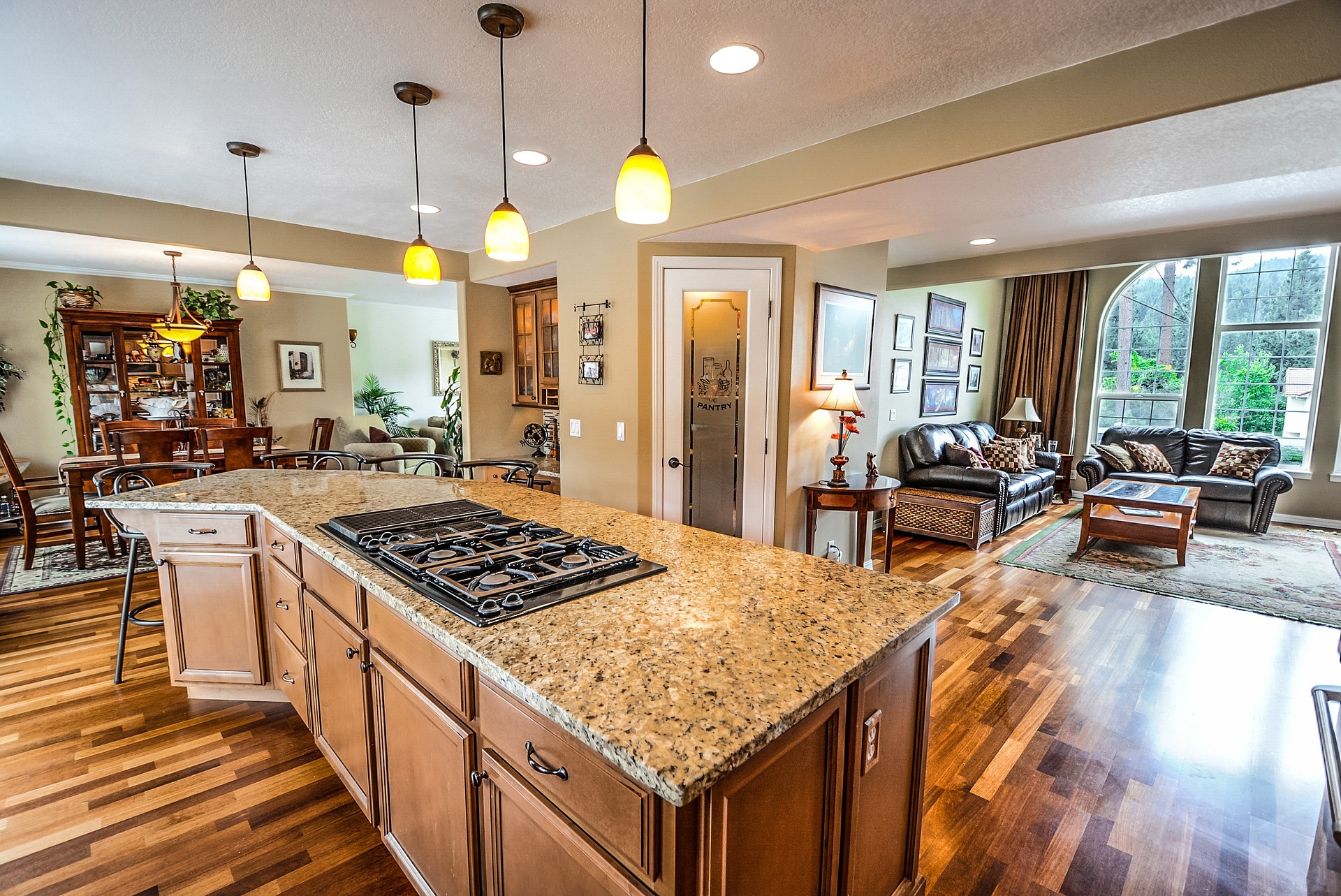

Electrical systems are an essential part of every modern home in Dubai. From air conditioners and refrigerators to lights and water heaters, almost everything needs a safe, reliable electrical connection.
Kitchen appliances and smart home devices also need a safe, reliable electrical connection. Electrical problems can develop over time. Causes include aging wiring, overloaded circuits, damaged parts, poor installation, moisture, and normal wear.
Ignoring a small electrical issue can lead to bigger problems. These problems may include equipment damage, power outages, electric shocks, or fire hazards. That is why homeowners should understand the most common electrical problems and know when they need professional electrical maintenance.
In this guide, we will cover common electrical problems in Dubai homes. We will explain possible causes and warning signs. We will also share safe, practical ways to handle them.
1. Frequent Circuit Breaker Trips
One of the most common electrical problems in homes is a circuit breaker that keeps tripping. A circuit breaker protects an electrical circuit when it detects excessive current or a possible fault.
If a breaker trips sometimes, it may be because of using several high-power appliances at once. However, frequent tripping can indicate a more serious electrical problem.
Common causes include:
- Overloaded electrical circuits
- Faulty appliances
- Short circuits
- Damaged wiring
- Ground faults
- Problems with electrical distribution boards
Dubai homes often use air conditioners, washing machines, ovens, water heaters, and other high-power appliances. Running several of these appliances on the same circuit can put additional pressure on the electrical system.
If a breaker repeatedly trips, do not keep resetting it without finding the cause. A qualified electrician should inspect the circuit and identify the underlying problem.
2. Flickering or Dimming Lights
Flickering lights may seem like a minor inconvenience, but they can sometimes indicate an electrical issue. Lights may flicker because of a loose bulb, faulty fixture, loose wiring, or changes in the electrical load.
For example, you may notice lights becoming dim when a powerful appliance such as an air conditioner starts operating. This could mean the circuit has too much load.
It could also mean there is a problem with the electrical connection.
Other possible causes include:
- Loose electrical connections
- Faulty switches
- Damaged wiring
- Overloaded circuits
- Problems with the light fixture
If only one light is flickering, the problem may be limited to that fixture. If multiple lights throughout the home are flickering, schedule a professional inspection.
3. Electrical Outlets Not Working
A power outlet that suddenly stops working can be caused by several different issues. The problem may be the outlet, the wiring behind it, a tripped circuit breaker, or another safety device.
Sometimes homeowners assume that replacing the socket will solve the problem. However, if damaged wiring underlies the problem, changing the outlet alone may not fix the issue.
Signs of a problematic electrical outlet include:
- No power from the socket
- Loose plugs
- Sparks when connecting an appliance
- Burn marks
- Discoloration
- A buzzing or crackling sound
- A socket that feels unusually warm
Damaged or burning outlets should not be used. A qualified professional should inspect and repair the electrical connections.
4. Overloaded Electrical Circuits
Modern homes use more electrical appliances than ever. In Dubai, air conditioning systems can also place a significant load on residential electrical systems, particularly during hot weather.
An overloaded circuit happens when too many devices connect to one circuit, and it cannot safely handle the load.
Common examples include connecting multiple high-power appliances to the same extension board or socket.
Overloading can cause:
- Frequent breaker trips
- Hot sockets
- Flickering lights
- Damaged appliances
- Overheated wiring
Homeowners should avoid using multiple high-power appliances through a single socket or extension board. If your home often has electrical overloads, an electrician can check the load. They can decide if your electrical system needs improvements.
5. Faulty Switches
Light switches and appliance switches can wear out with regular use. A switch may become loose, stop working properly, or produce a buzzing or crackling sound.
You may also notice that a light works only when you press the switch into a particular position. This can indicate a worn or damaged switch.
Although replacing a switch may appear simple, you should handle electrical work carefully. Incorrect installation can create a safety hazard or damage the connected circuit.
If a switch feels hot, sparks, smells burnt, or makes odd sounds, stop using it. Arrange an electrical inspection.
6. Power Surges
A power surge is a sudden increase in electrical voltage. Surges can damage sensitive electronic equipment such as televisions, computers, routers, kitchen appliances, and other devices.
Power surges can occur because of electrical faults, switching operations, or other problems within the electrical supply system.
While homeowners cannot stop every outside power event, they can lower damage risk. They can use the right surge protection for sensitive equipment.
For homes with expensive electronics or smart systems, professional advice can help determine whether additional surge protection is appropriate.
7. Short Circuits
A short circuit occurs when electricity takes an unintended path through a circuit. It can result from damaged insulation, faulty appliances, loose connections, or exposed wiring.
Short circuits can cause a breaker to trip suddenly. In serious cases, they can create excessive heat and become a fire risk.
Warning signs may include:
- Sudden loss of power
- Sparks
- Burning smells
- Smoke
- Repeated breaker trips
- Crackling sounds
You should never ignore a suspected short circuit. Do not attempt to repair damaged wiring yourself unless you are properly qualified to do so. Turn off the affected circuit if it is safe to do so and contact a professional electrician.
8. High Electricity Bills
An unexpectedly high electricity bill does not always mean there is an electrical fault. Increased air conditioner usage, changes in household habits, or inefficient appliances can all increase electricity consumption.
However, unusually high consumption can sometimes indicate an electrical or equipment-related problem.
Possible causes include:
- Old or inefficient appliances
- Faulty equipment
- Air conditioning systems working harder than normal
- Electrical leakage
- Poor wiring or connections
- Appliances being left on unnecessarily
If your electricity use suddenly goes up and you do not know why, check your appliances.
Also check your electrical system.
This can help you find the cause.
9. Damaged or Exposed Wiring
Electrical wiring can deteriorate due to age, physical damage, heat, moisture, or poor installation. Exposed wires are particularly dangerous because they can cause electric shocks, short circuits, or fires.
Older properties may also have wiring systems that require inspection or upgrading to safely support modern electrical loads.
Signs of wiring problems can include:
- Burning smells
- Discolored walls or sockets
- Frequent circuit breaker trips
- Buzzing sounds
- Flickering lights
- Warm outlets
- Visible damaged wires
Never touch exposed electrical wires. Professional electrical maintenance is the safest way to identify and correct wiring problems.
10. Electrical Problems Caused by Moisture
Water and electricity are extremely dangerous when they come into contact. Bathrooms, kitchens, outdoor areas, balconies, and other damp locations require proper electrical protection.
Moisture can damage electrical connections, switches, sockets, and wiring. It can also increase the risk of electric shock.
Dubai properties may experience moisture-related electrical issues because of plumbing leaks, condensation, water seepage, or outdoor exposure.
If an electrical outlet or switch becomes wet, do not touch it. If you can do so safely, turn off the relevant electrical supply and contact a qualified professional.
11. Problems With Air Conditioner Electrical Connections
Air conditioning is essential for comfortable living in Dubai, especially during the hotter months. Because AC systems can consume significant electrical power, problems with their electrical connections can affect the wider electrical system.
Possible warning signs include:
- AC circuit breaker repeatedly tripping
- Burning smell near electrical components
- Unusual buzzing sounds
- AC shutting down unexpectedly
- Flickering lights when the AC starts
These problems may be related to the air conditioner itself, its electrical connection, or the circuit supplying it. You may need to check both the electrical system and the AC equipment to identify the correct cause.
How Can You Prevent Electrical Problems at Home?
Regular electrical maintenance can help homeowners identify potential problems before they become serious. Simple preventive steps can make a significant difference.
Avoid overloading sockets and extension boards. Replace damaged plugs, switches, and sockets instead of continuing to use them. Keep electrical equipment away from water and moisture. Do not ignore unusual smells, sounds, sparks, or repeated circuit breaker trips.
It helps to have a professional inspect the electrical system.
This is especially important when you move into an older home.
It is also important when you renovate.
It can help if you have repeated electrical problems.
Professional inspections can help identify issues that may not be visible during normal daily use.
When Should You Call an Electrician?
Some electrical problems can have simple causes, but electrical systems can also be dangerous. Homeowners should avoid DIY repairs if they see exposed wiring, smell burning, or notice sparks.
They should also avoid DIY fixes if breakers trip often, they damage boards, or they suspect a short circuit.
You should consider contacting a professional electrician when:
- A circuit breaker repeatedly trips
- You smell burning near a socket or electrical panel
- Electrical outlets become hot
- Lights frequently flicker
- You notice exposed or damaged wires
- You experience repeated power interruptions
- An electrical appliance causes sparks
- You suspect an electrical short circuit
A qualified professional can inspect the system, identify the source of the problem, and recommend the appropriate repair.
Conclusion
Electrical problems in Dubai homes can range from simple issues, like faulty switches. They can also include overloaded circuits, damaged wiring, short circuits, or moisture. Because modern homes depend heavily on electricity, identifying these problems early is important for both safety and convenience.
Regular electrical maintenance, responsible appliance use, and professional inspections can help reduce the risk of electrical faults. If you notice flickering lights, frequent breaker trips, burning smells, damaged sockets, or other warning signs, investigate the issue.
A safe electrical system provides more than reliable power. It also helps protect your home, appliances, and family from avoidable electrical hazards.