 Client Services: (+971) 50 379 1015


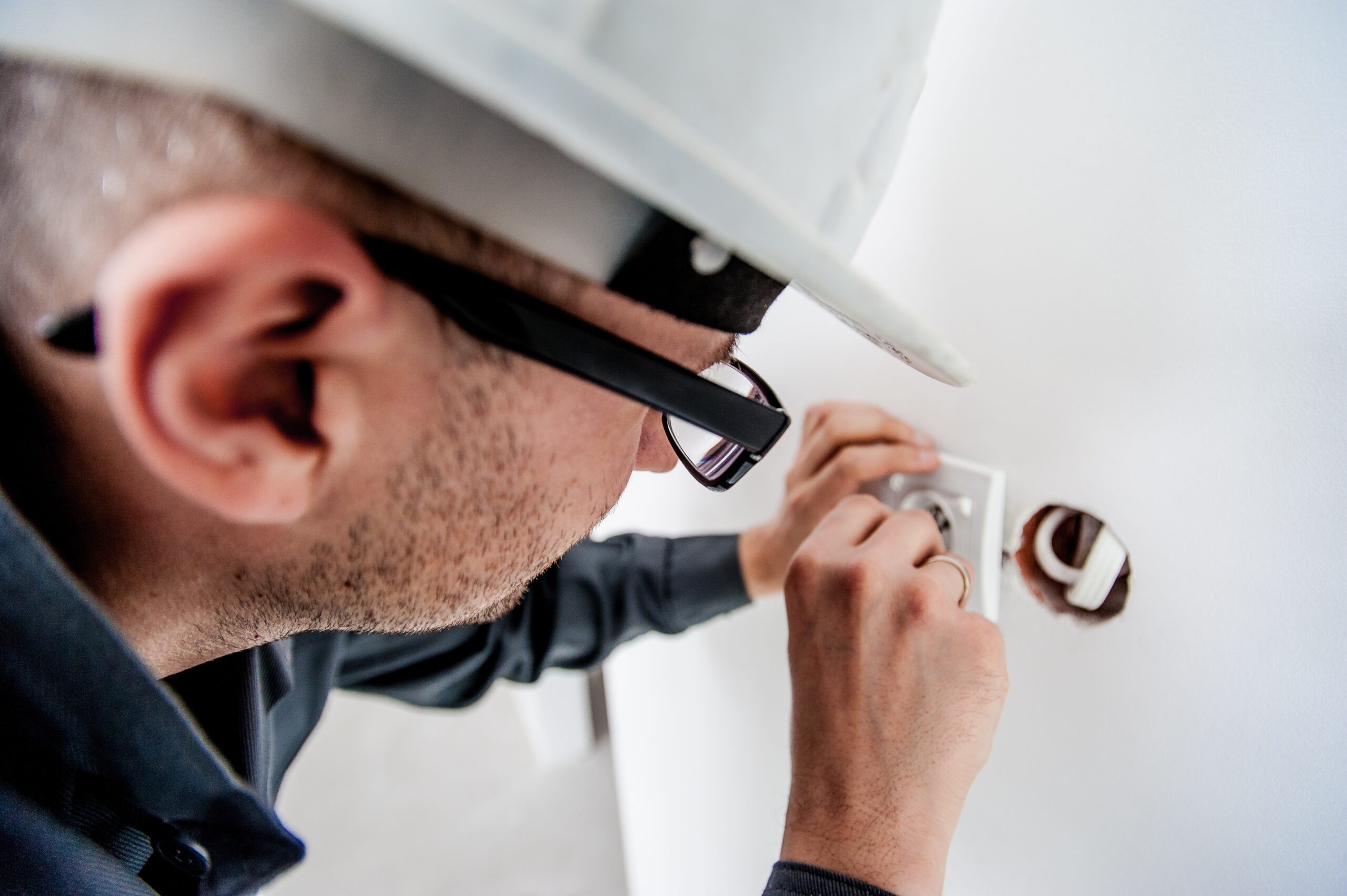

Electricity is an essential part of modern life. We use it every day for lighting, cooling, cooking, communication, entertainment, and many other household activities. However, when electrical systems are poorly maintained or used incorrectly, they can create serious risks, including electric shocks, equipment damage, and electrical fires.
Improving electrical safety at home does not always require major changes. Simple habits, regular inspections, and timely repairs can significantly reduce electrical risks. Understanding common hazards and knowing when to call a professional electrician can help protect your family, property, and electrical appliances.
For homeowners, especially in busy cities such as Dubai, where air conditioners, kitchen appliances, water heaters, and other electrical equipment may operate for long periods, electrical safety should be an important part of regular home maintenance.
Why Is Electrical Safety Important at Home?
Electrical problems can develop without obvious warning. Damaged wiring may be hidden inside walls, overloaded sockets may become hot, and faulty appliances can create dangerous electrical conditions.
A small problem that is ignored can eventually become a major safety issue. For example, a loose connection can generate heat, while an overloaded circuit can cause repeated breaker trips. If these warning signs are not addressed, they may damage electrical components or increase the risk of fire.
Good electrical safety practices help reduce these risks. They also protect expensive appliances and can prevent unexpected power interruptions.
1. Avoid Overloading Electrical Outlets
One of the simplest ways to improve electrical safety is to avoid overloading outlets.
Modern homes often have many devices, including televisions, computers, chargers, kitchen appliances, air conditioners, and other equipment. Connecting too many high-power appliances to one outlet or extension board can place excessive demand on the circuit.
Overloaded outlets may become warm, smell unusual, or show signs of discoloration. These warning signs should never be ignored.
Instead of connecting multiple high-power appliances to one socket, distribute electrical loads across suitable circuits. If you regularly need more outlets, ask a qualified electrician about installing additional sockets safely.
2. Check Electrical Cords and Plugs Regularly
Damaged electrical cords are another common household hazard. Cables can become cracked, frayed, cut, or exposed due to age, heat, pets, furniture, or repeated bending.
Before using an appliance, inspect its power cord and plug. If you notice exposed wires, damaged insulation, burn marks, or a loose plug, stop using the appliance until it has been repaired or replaced.
Never cover a damaged electrical cable with ordinary tape as a permanent solution. A damaged cord should be properly repaired or replaced by a qualified professional when necessary.
3. Keep Electricity Away From Water
Water and electricity are a dangerous combination. Electrical appliances should be kept away from sinks, bathtubs, showers, wet floors, and other sources of moisture unless they are specifically designed for those environments.
Extra care should be taken in kitchens, bathrooms, laundry areas, and outdoor spaces.
Never touch electrical switches, plugs, or appliances with wet hands. If water reaches an electrical outlet or appliance, do not attempt to handle it while the area is wet. Disconnecting power safely and contacting a qualified electrician may be necessary.
4. Use Extension Cords Safely
Extension cords can be useful when an electrical outlet is not conveniently located. However, they should not be treated as a permanent replacement for properly installed wiring.
Avoid running extension cords under carpets, rugs, doors, or heavy furniture. They can become damaged or overheated in these locations.
Do not connect one extension cord to another to create a longer cable. Also, avoid using a low-rated extension cord for high-power appliances such as heaters, air conditioners, or other equipment that requires significant electrical power.
If an area of your home regularly requires an extension cord, consider having a qualified electrician install a suitable permanent outlet.
5. Pay Attention to Circuit Breaker Trips
Circuit breakers are designed to protect electrical circuits by interrupting power when they detect conditions such as excessive current or a fault.
An occasional trip can happen for various reasons, but frequent breaker trips should not simply be treated as an inconvenience.
Repeated trips may indicate an overloaded circuit, faulty appliance, short circuit, wiring problem, or another electrical issue.
Do not repeatedly reset a breaker without finding out why it is tripping. If the problem continues, have the electrical system inspected by a qualified electrician.
6. Do Not Ignore Flickering Lights
Flickering or dimming lights can sometimes indicate a loose bulb or another simple issue. However, repeated flickering throughout the home may indicate a more serious electrical problem.
Possible causes can include loose connections, overloaded circuits, faulty switches, or wiring issues.
If lights continue to flicker after replacing the bulb, professional inspection is recommended. Identifying the cause early can help prevent further electrical problems.
7. Replace Damaged Outlets and Switches
Cracked, loose, discolored, or damaged electrical outlets and switches should not be ignored.
An outlet that feels unusually warm, produces sparks, or shows burn marks may indicate an electrical fault. Continuing to use it could increase the risk of equipment damage, electric shock, or fire.
Do not attempt to repair damaged outlets yourself unless you have the necessary training and qualifications. A professional electrician can inspect the outlet and determine whether it needs repair or replacement.
8. Install Appropriate Safety Devices
Safety devices can provide an additional layer of protection for your home.
Circuit breakers protect circuits from excessive current, while residual current devices (RCDs) or similar protection devices can help reduce the risk of electric shock by detecting certain forms of current leakage.
These devices should be correctly selected, installed, and tested according to the electrical system and applicable requirements.
If you are unsure whether your home has appropriate electrical protection, ask a qualified electrician to inspect the system.
9. Keep Electrical Panels Accessible
Your home’s electrical panel should always be easy to access.
Do not place furniture, boxes, cleaning supplies, or other objects directly in front of the panel. In an emergency, you may need to shut off power quickly.
The panel should also be kept dry and protected from damage. If you notice burning smells, unusual sounds, scorch marks, or excessive heat around the electrical panel, contact a qualified electrician immediately.
Never remove the panel cover or attempt to work inside the electrical panel yourself.
10. Use Appliances According to Their Instructions
Every electrical appliance has specific operating requirements. Using an appliance incorrectly can create unnecessary electrical and safety risks.
Always follow the manufacturer’s instructions regarding installation, power requirements, ventilation, cleaning, and operation.
High-power appliances should be connected to suitable circuits. Avoid using damaged appliances or continuing to operate equipment that repeatedly trips a circuit breaker.
Appliances that generate heat should also have sufficient ventilation and should be kept away from materials that can easily catch fire.
11. Be Careful With Outdoor Electrical Equipment
Outdoor areas require additional electrical safety precautions because equipment may be exposed to moisture, rain, heat, dust, and physical damage.
Use electrical equipment and extension cords that are designed for outdoor use when necessary. Keep connections protected from water and avoid using damaged cables.
Outdoor lighting, pumps, garden equipment, and other electrical installations should be properly installed and maintained.
If outdoor electrical equipment frequently trips a breaker or shows signs of damage, stop using it and arrange a professional inspection.
12. Keep Children Away From Electrical Hazards
Children may not understand the dangers associated with electricity. Parents should take steps to prevent children from accessing electrical outlets, cables, and appliances unnecessarily.
Keep electrical cords organized and avoid leaving chargers or other devices connected where young children can easily reach them.
Child safety covers may be appropriate for certain outlets, but they should not be considered a replacement for proper electrical installation and supervision.
Teaching children basic electrical safety can also help them understand why they should never play with outlets, plugs, or electrical equipment.
13. Schedule Regular Electrical Inspections
One of the best ways to improve electrical safety is to have the home’s electrical system inspected periodically.
A professional inspection can identify problems that may not be visible during everyday use. An electrician may examine wiring, outlets, switches, electrical panels, circuit protection, grounding, and other components depending on the property.
Older homes may require particular attention because electrical components can deteriorate over time.
The appropriate inspection frequency depends on the property’s age, condition, electrical demand, and previous maintenance history.
14. Watch for Warning Signs of Electrical Problems
Knowing the warning signs of electrical problems can help homeowners take action before a minor issue becomes a major hazard.
Important warning signs include:
- Burning or unusual electrical smells
- Sparks from outlets or switches
- Flickering or frequently dimming lights
- Repeated circuit breaker trips
- Warm or discolored outlets
- Buzzing or crackling sounds
- Damaged electrical cables
- Mild electric shocks or tingling sensations
- Appliances that repeatedly stop working
- Unexplained power interruptions
These signs should not be ignored. Some electrical faults can become more dangerous over time.
15. Do Not Attempt Dangerous DIY Electrical Repairs
DIY projects can be useful for many areas of home maintenance, but electrical work requires appropriate knowledge and safety precautions.
Replacing a light bulb is different from modifying wiring, repairing a circuit, opening an electrical panel, or installing a new circuit.
Incorrect electrical work can result in electric shock, fire, equipment damage, or code and safety issues. When an electrical problem involves wiring, circuits, panels, or permanent installations, it is safer to use a qualified electrician.
Professional electrical work also helps ensure that repairs and installations are completed correctly for the property’s requirements.
How Can Electrical Maintenance Improve Home Safety?
Electrical safety is not only about responding to problems. Preventive maintenance is equally important.
During maintenance, an electrician can identify deteriorating components, loose connections, damaged wiring, overloaded circuits, faulty protection devices, and other potential hazards.
Addressing these issues early can reduce the possibility of electrical failures and help maintain a safer home environment.
Regular maintenance can also help homeowners understand the condition of their electrical system and plan necessary repairs before they become urgent.
When Should You Call an Electrician?
You should contact a qualified electrician whenever you notice a serious or recurring electrical problem.
Professional help is particularly important if you experience repeated breaker trips, burning smells, sparks, exposed wiring, electrical shocks, overheating outlets, or unexplained power interruptions.
If you suspect an immediate electrical fire or serious electrical hazard, prioritize everyone’s safety and contact the appropriate emergency services. Do not attempt to investigate dangerous electrical equipment yourself.
Final Thoughts
Improving electrical safety in your home starts with simple habits and regular attention. Avoid overloaded outlets, inspect cords and plugs, keep electrical equipment away from water, use extension cords properly, and never ignore warning signs such as flickering lights, burning smells, sparks, or repeated circuit breaker trips.
Regular electrical inspections and preventive maintenance can identify hidden problems before they become serious. Most importantly, electrical repairs involving wiring, circuits, panels, or permanent installations should be handled by qualified professionals.
A safe electrical system protects more than your appliances. It helps protect your family, your property, and your peace of mind. By taking electrical safety seriously and addressing problems early, homeowners can reduce electrical risks and maintain a safer and more reliable home.