 Client Services: (+971) 50 379 1015


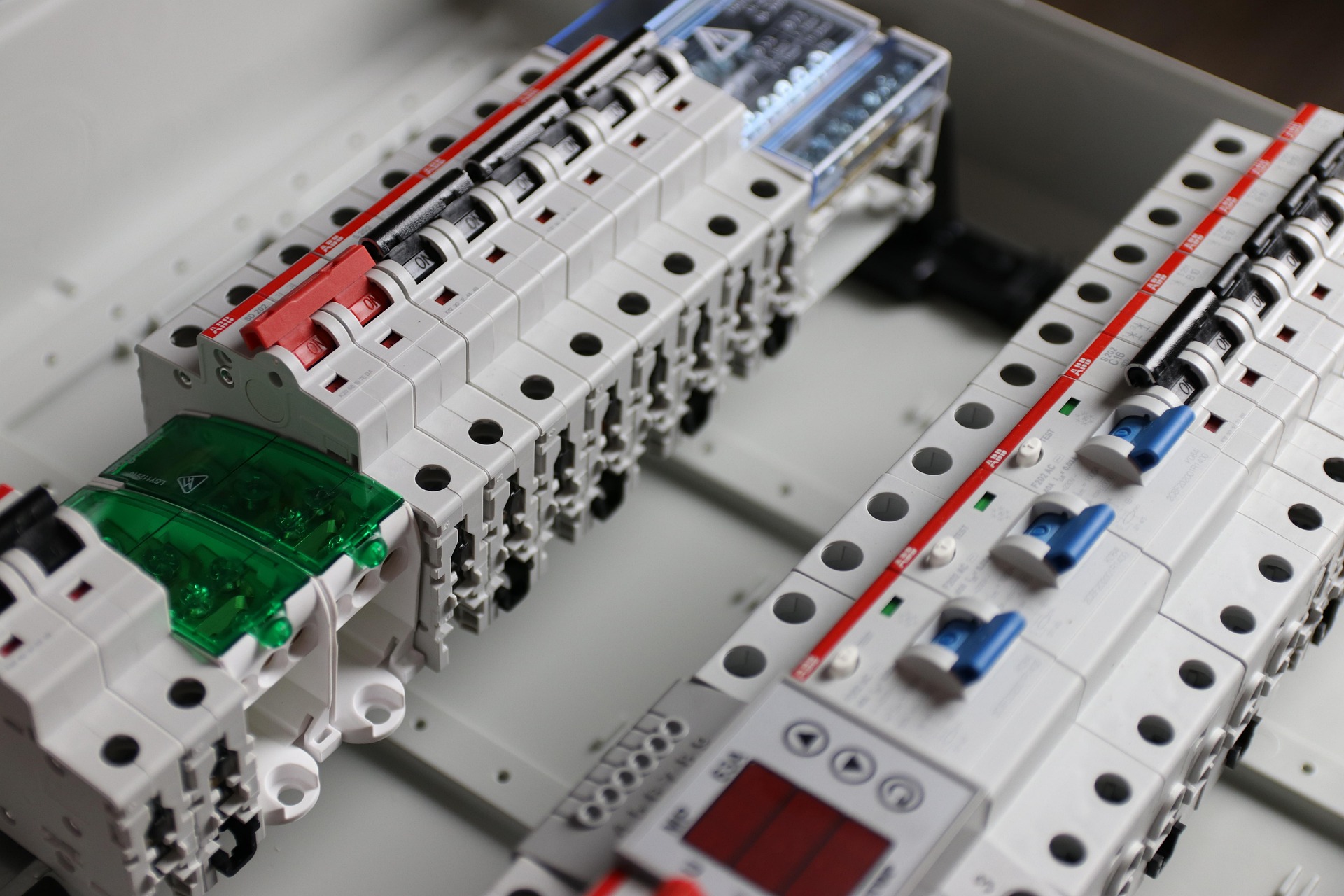

A circuit breaker is one of the most important safety devices in a property’s electrical system. It protects electrical circuits from damage caused by excessive current, short circuits, and other electrical faults. When a circuit breaker keeps tripping, it is usually a warning that something is wrong with the circuit or one of the connected appliances.
Occasional tripping can happen when too many appliances are running at the same time. However, if the breaker trips repeatedly, it should not simply be switched back on again and again. Frequent tripping may indicate an overloaded circuit, faulty appliance, damaged wiring, or a more serious electrical problem.
Understanding why a circuit breaker keeps tripping can help property owners identify potential risks and know when professional electrical maintenance is needed.
What Is a Circuit Breaker?
A circuit breaker is an automatic electrical safety device installed in an electrical distribution board. Its main purpose is to stop the flow of electricity when it detects an unsafe level of current.
Under normal conditions, electricity flows through a circuit without interruption. If the current becomes too high because of an overload or fault, the circuit breaker switches off the circuit. This helps protect wiring, appliances, and the property from overheating and electrical fires.
Unlike a fuse, which needs to be replaced after it operates, most circuit breakers can be reset after the underlying problem has been identified and resolved.
Why Does a Circuit Breaker Keep Tripping?
There are several reasons why a circuit breaker may trip repeatedly. Some problems are relatively simple, while others require inspection by a qualified electrician.
1. The Circuit Is Overloaded
One of the most common reasons for a tripping circuit breaker is an overloaded circuit.
Every electrical circuit has a limit to how much current it can safely carry. Connecting too many high-power appliances to the same circuit can exceed this limit.
For example, a circuit may be supplying power to an air conditioner, microwave, refrigerator, kettle, or other high-power equipment at the same time. If the combined electrical load becomes too high, the breaker may trip to prevent the wiring from overheating.
In this situation, reducing the number of appliances operating on the circuit may solve the problem. However, if the breaker continues to trip even after reducing the load, further inspection may be necessary.
2. A Short Circuit
A short circuit occurs when electricity takes an unintended path with very low resistance. This can cause a sudden and significant increase in current.
Short circuits can happen because of damaged wires, loose connections, faulty switches, damaged outlets, or problems inside electrical appliances.
A short circuit usually causes a circuit breaker to trip quickly. You may also notice a burning smell, sparks, buzzing sounds, or visible damage around an outlet or electrical device.
A suspected short circuit should never be ignored. Repeatedly resetting the breaker without finding the cause can increase the risk of electrical damage or fire.
3. A Faulty Appliance
Sometimes the electrical circuit itself is not the problem. A connected appliance may have an internal fault that causes the breaker to trip.
Heating appliances, air conditioners, refrigerators, washing machines, water heaters, and other high-power equipment can develop electrical faults over time.
If the breaker trips only when a particular appliance is switched on, that appliance may be responsible.
You can disconnect the appliance and avoid using it until it has been checked. If the breaker operates normally without it, professional appliance or electrical inspection can help identify the fault.
4. Ground Fault
A ground fault occurs when electrical current flows through an unintended path to the ground. This can happen when damaged insulation allows a live wire to come into contact with a grounded part of the electrical system.
Ground faults can be particularly dangerous because they can create an electric shock hazard.
Moisture can also contribute to electrical faults, especially in areas such as kitchens, bathrooms, utility rooms, and outdoor spaces. Electrical equipment exposed to water or excessive moisture should be treated carefully.
If a breaker associated with a wet area keeps tripping, do not continue resetting it. The circuit should be inspected by a qualified professional.
5. Damaged or Old Wiring
Electrical wiring can deteriorate over time. Heat, moisture, physical damage, poor installation, and aging materials can affect the condition of cables and connections.
Damaged wiring may cause intermittent electrical faults or repeated circuit breaker trips.
Older properties may also have electrical systems that were designed for a much smaller electrical load than modern properties require. Today’s homes and commercial buildings often use more air conditioning systems, electronics, kitchen appliances, lighting, and other equipment.
If an electrical system cannot safely handle the property’s current requirements, rewiring or electrical upgrades may be necessary.
6. Loose Electrical Connections
Loose connections can create resistance and heat within an electrical circuit. They may develop at switches, outlets, distribution boards, junction boxes, or other electrical connection points.
In some cases, loose connections can cause flickering lights, buzzing sounds, warm outlets, burning smells, or repeated breaker trips.
Electrical connections should not be tightened or repaired by someone without the necessary training. Electrical panels and wiring can remain dangerous even when a particular appliance appears to be switched off.
7. The Breaker Itself May Be Faulty
A circuit breaker can also develop a fault. Like other electrical components, breakers can wear out or become less reliable over time.
A faulty breaker may trip even when the circuit is operating within its normal electrical load.
However, it is important not to assume that the breaker is the problem simply because it keeps tripping. The breaker may be responding correctly to an underlying electrical fault.
A qualified electrician can test the circuit and determine whether the breaker needs replacement or whether another issue is causing it to operate.
How Can You Tell What Is Causing the Problem?
Finding the cause of repeated circuit breaker trips starts with observing when the problem occurs.
Ask yourself a few simple questions:
- Does the breaker trip when several appliances are running?
- Does it trip when one particular appliance is switched on?
- Does it trip immediately or after running for some time?
- Is there a burning smell or unusual noise?
- Are lights flickering before the breaker trips?
- Does the problem happen in a particular room?
- Has any electrical equipment recently been installed?
These observations can provide useful information for an electrician.
For example, if the breaker trips whenever an air conditioner starts, the appliance or its dedicated circuit may require inspection. If it trips when several appliances operate simultaneously, an overloaded circuit could be the cause.
What Should You Do When a Circuit Breaker Trips?
When a breaker trips, first switch off or unplug the appliances connected to the affected circuit, if it is safe to do so.
You can then reset the breaker once. If it stays on and the electrical system operates normally, monitor the circuit.
If the breaker immediately trips again, do not keep resetting it. Repeatedly forcing a breaker back on does not solve the underlying problem.
If you notice smoke, sparks, burning smells, melted outlets, exposed wires, or signs of overheating, stay away from the affected area and arrange for urgent professional electrical assistance.
When Should You Call an Electrician?
A professional electrician should inspect the electrical system when a circuit breaker keeps tripping without an obvious reason.
Professional inspection is especially important when:
- The breaker trips repeatedly.
- The breaker trips immediately after being reset.
- There are sparks or burning smells.
- An outlet or switch feels unusually hot.
- Electrical wiring appears damaged.
- Lights flicker frequently.
- The problem occurs around water or damp areas.
- Several breakers are tripping.
- The electrical panel makes buzzing or crackling sounds.
- The property has old or outdated wiring.
An electrician can inspect the distribution board, test circuits, identify excessive loads, check wiring, and determine whether an appliance or electrical component is causing the problem.
Can You Prevent Circuit Breaker Problems?
Regular electrical maintenance can reduce the risk of repeated breaker trips and other electrical problems.
Avoid connecting too many high-power appliances to a single circuit. Use electrical appliances according to the manufacturer’s instructions and replace damaged plugs, cables, outlets, and switches.
It is also important to avoid using extension leads or power strips as permanent solutions for high-power equipment unless they are specifically designed and rated for the intended load.
Properties should also receive periodic electrical inspections, particularly when they are older, have undergone renovations, or have experienced repeated electrical problems.
Professional electrical maintenance can identify loose connections, damaged wiring, overloaded circuits, and other issues before they become major safety concerns.
Why Electrical Maintenance Matters
Electrical problems do not always provide obvious warning signs. A circuit breaker that keeps tripping may be the first indication that something inside the electrical system needs attention.
Ignoring the problem can result in damaged appliances, electrical shocks, overheating, or even fire. Regular inspections help ensure that electrical systems are operating safely and efficiently.
For residential and commercial properties, electrical maintenance should be treated as part of general property maintenance rather than something to consider only after an electrical failure occurs.
Final Thoughts
A circuit breaker keeps tripping because it is detecting a condition that may make the electrical circuit unsafe. The most common causes include overloaded circuits, short circuits, faulty appliances, ground faults, damaged wiring, loose connections, and defective breakers.
While reducing the electrical load may solve a simple overload, repeated breaker trips should never be ignored. The breaker is designed to protect the property, and its repeated operation may be a sign of an underlying electrical issue.
If you cannot identify the cause safely, avoid repeatedly resetting the breaker and contact a qualified electrician. Professional electrical inspection can locate the source of the problem and help keep your property, appliances, and occupants safe.
A properly maintained electrical system is not only more reliable but also an important part of protecting a property from preventable electrical hazards.